

How to Check Your Credit Score
An individual's credit score is an important three-digit number that determines whether they'll have access to loans, credit cards, rental apartments, and even some job opportunities.5 If you're interested in getting a loan, for example, your current credit score can affect various critical factors that make up your loan, such as your loan terms and interest rates that can make or break your entire repayment experience.4 No matter what your financial goals are, it is recommended that you review your credit history often to proactively keep your score in a positive standing. If you've never accessed your credit history, you may wonder how to check your credit score now to see what your credit position is and what you can expect if you are evaluated during an application.
Finding your credit history and score is easier than it sounds. You can access this information online or through an app, depending on your preference. Be aware that sources often provide either a FICO or VantageScore® model, so research which company provides the specific score you want. Regardless of the model, you can review your overall credit profile using one of the methods listed below:
- Use One of the Three Major Credit Bureaus (Experian, Equifax, TransUnion)
- Access Your Credit Information from a Free Credit Score Website
- Speak with Your Credit Card Issuer, Bank, or Loan Provider for Credit Score Data
- Visit a Nonprofit Credit or Housing Counselor That Can Help You Assess Your Credit Score for Free
- Purchase Your Credit Score Data from a Credit Score Service, Such as myFICO
Keep in mind that many lenders use FICO® scores to determine an individual's credit risk and whether they're capable of making the required payments to pay off their loans. If you have a good credit score within the 670 to 739 range, you will typically pose a low risk to a lender and may qualify for lower interest rates that can make your repayment process easier to handle. Alternatively, if you have a FICO® score below 580, a lender may charge you higher interest rates, even if you're able to get approved for a loan at all. If you're thinking about applying for unsecured loans, like personal loans, you should attempt to build your credit score before you submit an application to increase your chances of getting approved and accessing favorable interest rates.4 5
Now that you know the different ways to check your credit score, you may be ready to use your preferred method to estimate your present credit health and to decide whether you're in a position to achieve your financial objectives. If you want to consider other avenues to review your credit score, you can take advantage of the exclusive offers you can access with the help of Max Cash®!2 Continue reading for more information about credit scores and the different ways you can evaluate your credit standing as an individual looking to get loans or other types of credit in the future.

FreeScore 360
Key Features
- Unlimited Experian Credit Score Access: View and refresh your score anytime.
- Experian Credit Monitoring Alerts: Get notified of key report changes.
- Identity Theft Monitoring & Protection: Alerts help spot potential fraud early.
What Factors Make Up Your Credit Score?
Receiving your credit information can be a pleasant or disappointing surprise, depending on where you fall within the credit score range. If you have a bad credit score, for example, you may wonder what factors determine your low standing and what you can do to change it to a positive position that can improve your chances of getting approved for specific loans, credit cards, or the apartment of your dreams. While the exact information that makes up your credit score can vary with each score model, you will find some common categories between both the FICO and VantageScore® systems. If you're thinking about getting a loan, you must remember how many lenders use FICO® scores to assess your approval, which is influenced by the following characteristics:
- Payment History: Your financial responsibility as a debtor is one of the most significant factors of your credit history that accounts for 35% of your overall score. If you're on time with your scheduled payments, you can build your credit score to a favorable standing and potentially qualify for lower interest rates if you apply for a loan to cover unexpected bills or expenses.4 Alternatively, if you miss your due dates or fail to pay what you owe, you can significantly hurt your credit score and affect your chances of accomplishing a financial objective. You can easily keep up with your payments by using tools like apps or spreadsheets to create a master list with due dates, set up calendar reminders with early alerts, or enable automatic payments from your checking account to avoid being late on your pending payments.
- Total Amount Owed: The current amount of accrued debt on your credit accounts, otherwise known as credit utilization, makes up around 30% of your credit score. If you have a low credit utilization below 30%, you will typically have a higher credit score because it signals to a lender that you're managing your current payments and are capable of taking on new debt without defaulting on your loan. However, if you have a high credit utilization, you may pose a greater risk to a lender and drop your credit score to a bad rating. As mentioned above, you can avoid this issue if you implement different strategies to keep track of your bills and ensure you make your payments on time with each due date.
- Length of Credit History: How long you've been working with credit is another critical factor that accounts for 15% of your total credit score. Typically, the longer you've had credit, the higher your credit score can be, as it demonstrates a lengthy history of your experience with credit accounts and your ability to handle debt. If you keep your credit accounts open instead of closing them, you can extend the length of your credit history and increase your credit score over time. In the event that you close an account, though, a credit bureau can still use that information to calculate your score, which can be a positive factor if you closed an account in good standing.
- New Credit: Applying for credit and opening new accounts make up 10% of your score. While applying for credit usually results in a hard inquiry check on your credit report, it may only drop your score by a few points, which may not have any major impact on your overall credit health. If you don't have an established credit history, it can be a good idea to open a credit account despite the initial hit this action may cause. However, it's recommended that you limit the number of times you open multiple credit accounts in a short period, as lenders can view you as a greater risk to lend money to.
- Credit Mix: Finally, the different types of credit you currently have account for 10% of your overall score. If you have a diverse credit mix that consists of revolving credit, like a credit card, and installment credit, like an auto loan, a lender may see you in a favorable position because of your ability to handle various kinds of credit. However, having a wide variety in your credit mix can harm your credit score if you're not responsible with each credit type. Remember to stay on top of your payments and ensure you're capable of tackling several debts responsibly.
After learning the different factors that influence your credit score, you may want to follow some effective strategies in each category to help you maintain a positive standing. If you have a poor credit score, you can consider implementing various methods to boost your credit to a favorable position, such as paying down your debt and restricting the amount of new credit accounts you open in a brief period. It's worth mentioning, though, that building your credit score isn't an instant solution and can take time to see reflected in a better rating. However, you may see your credit increase steadily over a few months if you're responsible with your payments and execute several tips to improve your credit score!
Don't hesitate to speak with a credit counselor if you want expert advice on how to improve your credit score. If you want to check your credit history, you can opt for the aforementioned offers that you can easily connect with through Max Cash® online!2
What is the Safest Way to Check Your Credit Score?
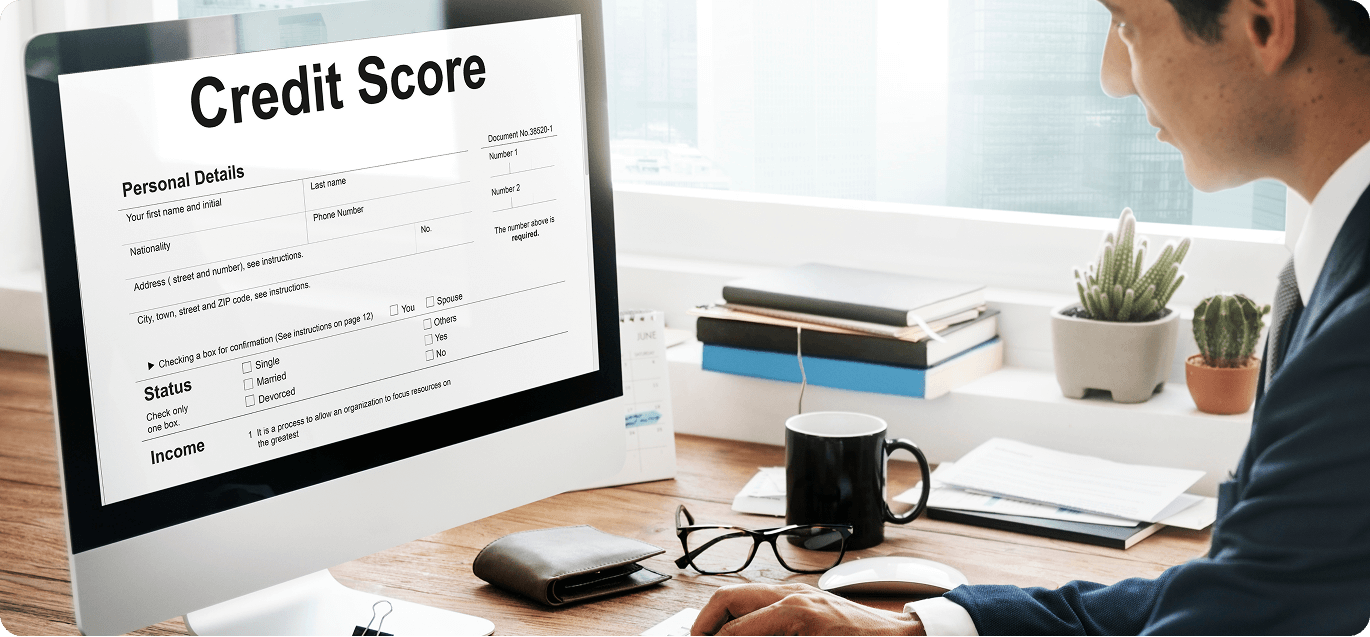
Checking your credit score can be a straightforward process, regardless of the method you choose to assess your creditworthiness. However, it's essential that you use the official channels to review your credit history, as some websites can claim they provide your credit data for "free" when they're actually trying to scam you out of your money. Even if some sites charge you for access to your credit score information, you can determine if they're a legitimate source when they have clear payment information and have positive reviews from past customers. One quick way you can discover if a credit score website is fraudulent is if you type "[service name] scam reviews" on Google and see if you can read various testimonials that warn you about staying away from that platform.
Although finding the "safest" way to check your credit score can differ depending on your personal preferences, you can take advantage of a credible source, like AnnualCreditReport.com, for free reports taken directly from all three major credit bureaus. This website is the only federally authorized platform that can provide you with a free credit report from all three major credit bureaus, which you can access once a year, or you can access the data from all three major credit bureaus separately throughout the year. You can usually get your credit report immediately after ordering it online, but you must complete a request form with your personal details and answer a few security questions before you can access your chosen credit report.
If you prefer to get your credit score information directly from a credit bureau, you can choose that alternative route by visiting their respective websites and following their instructions on how to check your credit score online. Many credit card issuers also offer free FICO or VantageScore® access through their websites or apps, so if your provider can provide those details, you don't have to go anywhere else to find out your current credit score. If you opt for a third-party website to access your credit score, you must ensure it's a reputable source to avoid any financial damage from a fraudulent platform. You can rest easy knowing you can work with a reliable platform if you decide to pair up with a credit score service with the help of Max Cash®!2
Feel free to discover your credit score information by using one of the various tools available to you online or in person. Regardless of the method you choose to receive your data, you must ensure it's a legitimate and safe source to bypass a possible scam that can harm you financially.
Is a Credit Report the Same as a Credit Score?
It's easy to confuse both "credit report" and "credit score" as the same terms that describe your creditworthiness as an individual. However, you should understand that the two terms aren't similar at all, with a credit report being a detailed summary of your financial history and a credit score being the three-digit number that is calculated from that report. Think of the credit report as the raw data that is collected from your previous borrowing and payment experiences, while a credit score is a grade based on all that information. Many lenders, landlords, insurance companies, and even some employers use your credit report to assess your credit risk and make decisions about offering you loans, apartments, convenient insurance premiums, and jobs.4 5
While credit reports and credit scores are different terms, they are still both important concepts that make up your creditworthiness and influence the outcome of an application. If you have a good credit score that is reflected on your credit report, you can have more opportunities to qualify for loans, credit cards, and some rental apartments.5 You can even be eligible for lower interest rates and better loan terms that can help you save money when you pay back a loan.4 If a landlord uses your credit score to determine your approval, you may have to cover multiple fees or a significant security deposit to get your home if you have bad credit and are approved for a lease.
If you have questions about the differences between "credit reports" and "credit scores," you can easily contact a Max Cash® representative at 833-207-9052 for clarification that can help you better understand the credit check process. In the event that you plan to get a loan or have any other financial goals in mind, it is recommended that you request your credit report to acknowledge what lenders might see that can influence the outcome of your application. Dispute any errors on your credit report that can affect your approval and fix any glaring issues that are hurting your score, like late payments, to increase your chances of getting approved for a loan or another financial product. Although it may take a while to boost your credit score to a positive standing, you can expect a much smoother application process when you attempt to accomplish one of the aforementioned objectives with a good credit score.5
FreeScore 360
Key Features
- Unlimited Experian Credit Score Access: View and refresh your score anytime.
- Experian Credit Monitoring Alerts: Get notified of key report changes.
- Identity Theft Monitoring & Protection: Alerts help spot potential fraud early.
How to Get My Credit Report Online
Are you looking for convenient ways to monitor your credit report? If you prefer to review your credit file from the comfort of your home, you can simply choose one of the several online sources that can give you your credit information directly to your smartphone or computer. You can decide to visit AnnualCreditReport.com, which is the only website authorized by federal law for free annual reports from Experian, Equifax, and TransUnion, where you'll provide personal information and answer security questions to view your report in an instant. If you want to check one credit report from the three aforementioned credit bureaus, you can choose to request details from a specific credit bureau through AnnualCreditReport.com or by visiting the designated bureau's website to receive that information through them.
It's essential to note that various consumer reporting companies run independent reports that aren't reviewed by the abovementioned credit bureaus. If you want to access your financial history through a different online source, you can try requesting it through one of the many platforms that provide that service. Whether it's through a utility site, like the National Consumer Telecom & Utilities Exchange, or through an employment screening, such as backgroundchecks.com, you have several options available to find the credit details you need to assess your creditworthiness. However, some of these companies may not follow the Fair Credit Reporting Act, which can bring challenges in disputing incomplete or inaccurate details on your credit report.
If you're considering getting your credit report online through a third-party service, you must ensure the platform is legit and isn't a scam trying to steal your money. The most straightforward and safe methods you can use to access your credit report are through official avenues, like AnnualCreditReport.com or by working with an individual major credit bureau and requesting your credit file information through them. Take into account, though, that you can potentially connect with a reliable credit score service that can provide important details about your credit report when working with Max Cash®.2 If you want to maintain a positive credit score, it is suggested that you monitor your credit report frequently to identify any inaccuracies or suspicious activity, which you can achieve that by using a credit monitoring service that can give you continued access to your report.
What are the Three Credit Reporting Agencies?

As mentioned previously, the three major nationwide credit reporting agencies in the U.S. are Experian, Equifax, and TransUnion, which collect and maintain your credit history, including payment patterns and debt, to provide reports that lenders use to determine your creditworthiness for loans and credit. If you want to check your credit report for free, you can potentially access that data through all of these major credit bureaus without spending money to receive it. You can also consider using AnnualCreditReport.com to get one free report from the three major credit bureaus that you're entitled to retrieve once every year. Although you have other services that can provide credit reports from one of these major credit bureaus, you can access all three major credit bureaus if you visit each of their platforms or get all of them at once via the AnnualCreditReport.com website.
Keep in mind that all three major credit bureaus have paid subscription services if you want additional features and credit monitoring that you may not find through the free report. Additionally, your credit report may change frequently based on the information your creditors may provide each month, so be wary of that when deciding when you should view your credit history. Make sure you pick a suitable platform that offers free access to your credit score model and take the necessary actions to maintain it in a healthy position. If you have questions about your credit report or want to dispute any mistakes, you can do that by contacting your designated credit bureau at their respective phone numbers or support pages.
Where to Check My Credit Score with the Help of Max Cash®?
If you're looking for a quick and convenient way to check your credit score, you can attempt to work with Max Cash® online to assess your creditworthiness and see what lenders may think of you if you're considering applying for a loan.2 No matter the loan you're interested in inquiring about with the help of Max Cash®, you can improve your chances of getting funded if you have a good credit score prior to your loan inquiry.2 5 Even if secured loans, like car title loans, work with applicants with bad credit, it wouldn't hurt to have a good credit score to increase your chances of receiving lower interest rates.4 Through the lenders that Max Cash® has in our network, you can potentially work with a title lender that offers competitive interest rates that can enhance your repayment period.2 4 5
Regardless of what your financial objectives are, you can confidently check your credit score when you use a trustworthy marketplace like Max Cash®.2 Explore the credit score offers you have available through this online source and discover if you're in the right credit position to fulfill your aspirations.
Frequently Asked Questions About
Checking Your Credit Score
Below are answers to some of the most frequently asked questions about checking your credit score
Multiple factors contribute to the variation in your credit score:
- Different Scoring Models: Lenders may utilize various credit scoring models, and sometimes even different scores for different types of loans.
- Selective Reporting: Not all lenders report to all credit bureaus; some may only report to one or two.
- Timing of Updates: Lenders update credit bureaus at different times, meaning the information used to calculate your score may not be current across all bureaus simultaneously.
A credit score is a three-digit number that lenders use to assess your creditworthiness, which, in other words, is how likely you are to repay money that you intend to borrow. The most commonly used scores range from 300 to 850. Generally, a "good" credit score starts around the mid-600s, though what is considered excellent can vary slightly depending on the scoring model and the lender. It is possible to get an 850 credit score, but having an excellent credit score requires exceptional financial stability and healthy habits when it comes to effectively managing your money. You'll need to have long-standing credit accounts open, along with a perfect payment history, low credit utilization ratios, and a diverse credit mix.
The good news is that checking your own credit score does not negatively affect your credit standing. This action is known as a soft inquiry. In contrast, a hard inquiry can temporarily lower your credit score by a few points (typically 5 to 10 points). A hard inquiry occurs when you formally apply for new credit, such as:
- A mortgage
- An auto loan
- A new credit card
- A personal loan
Lenders perform a hard inquiry because they are actively reviewing your credit report to make a lending decision. These inquiries remain on your credit report for two years, but their impact on your score usually fades after a few months.
More Credit Score Resources

How to Check You Credit Score?
Many experts recommend checking your credit score once per year at the very least. Learn how to connect to your credit rating online with the help of Max Cash®!

How to Monitor Your Credit?
Monitoring your credit score is an important part of preventing fraud and improving your financial health. Discover online monitoring options with the help of Max Cash®!

How to Improve Your Credit Score?
Worried about your credit affecting your chances for loan approval? Learn how to improve your credit score with proven strategies today!

How to Build Credit?
Build your credit score with proven strategies like on-time payments, low balances, credit monitoring, and smart tools to improve your financial future.