

How Much Car Insurance Coverage Do I Really Need?
Driving your own car can feel like a major sense of accomplishment after you put in the money and effort to purchase it. However, a critical factor to consider before purchasing a vehicle is the auto insurance coverage you’ll put on your car, which can protect you financially in case of an accident. If you’re worried about spending too much on your vehicle’s insurance, you may wonder, “How much car insurance coverage do I need?” The answer to your question will depend on your respective state or auto lender’s required coverage, but your unique preferences will also influence the amount of coverage you decide to get when you buy a vehicle and drive it off the dealership.
Almost every state in the U.S. requires a driver to have some form of automobile insurance coverage in order to drive on public roads. These mandates are typically placed by local governments to ensure drivers can pay for the damages and injuries they cause to others, and to minimize the number of lawsuits a state has to handle related to an accident. Since auto repairs can be expensive, you’d want to ensure the at-fault driver will manage those expenses and put your car back into shape without spending money out of your pocket. That’s why it’s essential that you have liability and collision insurance ready in the event that you cause an accident, so your insurance company can relieve you from that situation and manage any accident-related costs for you.
As mentioned previously, a state’s minimum required coverage varies depending on where you live, with some states, like Virginia, requiring $25,000 for property damage, and others, like Utah, requiring $15,000 for the same coverage. If you’re leasing or financing a car, your lender may require you to have liability coverage above your state’s minimum, as well as additional coverage to access your vehicle, such as comprehensive and collision coverage. The exact minimum total you must meet with your lessor or lender depends on their individual policies, so you must ensure you review your signed contract. While it can seem challenging to handle all your insurance costs if you’re leasing or financing a vehicle, you can potentially save money on your auto insurance if you shop around and search for insurers that offer discounts.
Besides the minimum required coverages and amounts you must meet from your state or auto lender, you will ultimately decide how much car insurance coverage you will need when you purchase a vehicle. Although the “right” amount of coverage will depend on your preferences, you can determine an appropriate balance by analyzing your needs and your unique financial situation. Make sure you don’t have too much or too little insurance coverage, and find a good balance that protects you in case of an accident. You can use various methods to determine a suitable coverage amount that works best for you, which may not require a complicated process.
Continue reading for more details about car insurance coverage and how you can find an optimal amount for you as a driver. If you need help discovering favorable car insurance rates, you can compare the various auto insurance options from Max CashⓇ partners and choose the best offer that suits your vehicle and budget!² ⁴
What are the Different Types of Car Insurance Coverage?
It is illegal to drive a car without insurance coverage in most states, except for New Hampshire. If you want to drive your vehicle without any problems, you will probably need some form of insurance coverage to avoid the hassles of getting a ticket. However, it can be confusing to determine which insurance coverages are necessary and which are optional. If this is your first time buying a car outright or financing a vehicle, you can expect to find the following three main coverages that may be required to put your vehicle out on the road:
- Liability Coverage: Most states in the U.S. require you to have this insurance policy that covers the costs for injuries (bodily injury) or property damage to others if you’re at fault in an accident. Under this insurance coverage, your insurer can help pay for medical expenses if another person is hurt, and property damage coverage can cover the cost of repairing or replacing the other party’s vehicle or property. While insurance companies will set limits on the amount they will pay for a covered claim, you can lessen the financial impact of an accident by choosing a significant portion of your liability coverage. If you start with a minimal insurance amount, you may have to cover the remaining balance on injury or property damages that exceed your policy’s limits.
- Collision Coverage: Although liability insurance helps cover the damage you cause to another vehicle or property, an insurance company can pay for the repairs or replacement of your car if it is damaged in a collision through this type of insurance coverage. Collision coverage is typically optional, but your lender or lessor may require you to have this coverage policy in order to protect their financial interest in the vehicle. Even if this insurance coverage is optional, if you own the car outright, you can still benefit from having this policy in case someone hits you. Keep in mind that collision coverage won’t cover any bodily injuries done to you or if you hurt another person, and the limit on your collision coverage is usually based on the total cash value of your car.
- Comprehensive Coverage: Similar to collision coverage, a comprehensive insurance policy is an optional coverage that pays for any damages done to your vehicle that wasn’t your fault. What’s different about this insurance policy, though, is that it covers repairs or replacement for vehicles damaged by non-collision incidents, such as theft, vandalism, fire, weather events, and falling objects. If you’re leasing or financing your car, your lessor or lender may also require you to have this coverage until the end of your repayment period. The limit on your comprehensive coverage will also be based on the cash value of your vehicle, and the amount of funds you’ll spend out of your pocket for a non-collision accident will depend on the deductible you chose to put with your comprehensive insurance.
It’s worth noting that there are additional types of coverage that aren’t typically required by most states, including uninsured and underinsured motorist coverage, GAP insurance, medical payments coverage, personal injury protection, and roadside assistance coverage. Some of the aforementioned coverages, like uninsured and underinsured motorist coverage and personal injury protection, are actually required in some states, though, so it’s important that you review your local laws regarding their mandatory coverages. While most of these insurance coverages are optional, you can benefit from adding them to your policy if you want to maximize your protection. However, it’s essential that you analyze your financial situation first to see if you can afford additional coverage on top of your required auto insurance policies.
Select the best auto insurance coverage that works well with your needs and your unique financial situation. Remember how it’s possible to find a favorable car insurance offer by comparing the various options available from Max CashⓇ partners online!² Carefully review all of your auto insurance options now and see which one fits nicely within your budgetary system.
How Much Liability Insurance Do I Need?
After learning how liability insurance is required in most states, you may wonder what a good amount to have is that protects you from an accident, while not spending too much money on this policy. Although you must cover your state’s minimum required amount, you may need to get a higher total to keep yourself financially stable in case you must cover damages that are above your established limit. You can follow different formulas, like the 100/300/100 method, which suggests you have $100,000 worth of limits in your bodily injury per person, $300,000 in total bodily injury per accident, and $100,000 for property damage per accident. However, if you want a straightforward way to determine which total works for your budget, you can simply calculate your net worth by adding up the value of your assets (home, vehicles, savings, and investments) and subtracting any debt you owe from damages you caused to another party.
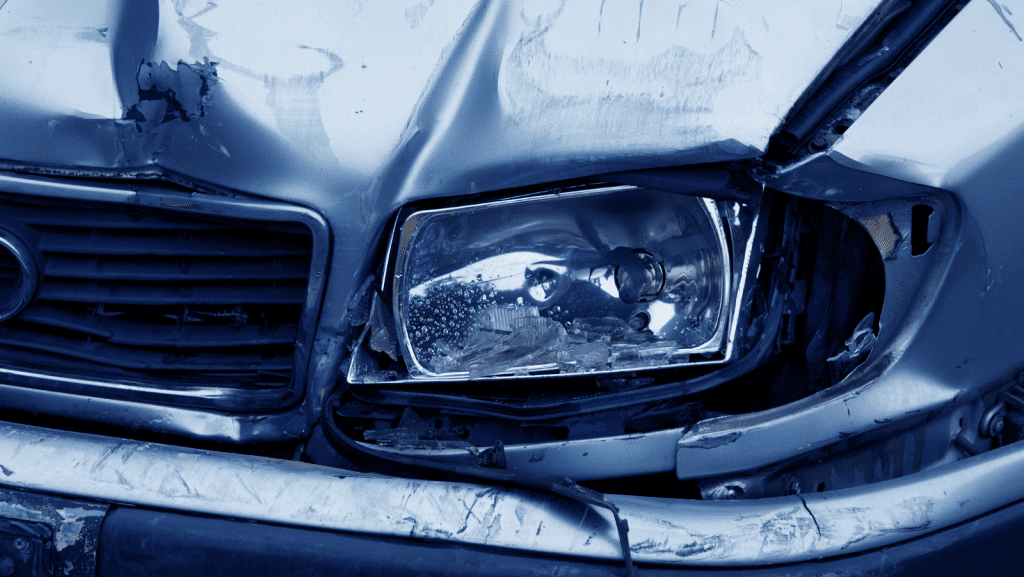
While there are many recommendations for the total you’ll need for liability insurance, your settled coverage amount will ultimately depend on what works for your finances. There isn’t a specific amount that serves as the general rule of thumb for this policy, as the exact limit for this insurance coverage will vary by individual. Even if you calculate your net worth, you may decide to end up with a lower amount that sounds reasonable for you. Just ensure you have enough coverage in case you’re in an accident and need to pay for injuries or damages you cause to someone else.
If you want a more affordable liability insurance coverage, you can follow the most common liability limits that many states require, which is the 25/50/25 technique. A problem with that strategy, though, is that you may have to cover the rest of the damage costs if they exceed your established limits. Find the right balance that works with your budget and still helps you cover any injuries or repairs you’re liable for. In the event that you must pay for any damages beyond your coverage’s limit, you may not have to worry about spending too much money if you have a high amount on your liability insurance.
Do I Need Comprehensive and Collision Coverage?
As mentioned previously, comprehensive and collision coverage are generally required if you’re financing or leasing a vehicle. If you own your car outright, these coverages are optional, but recommended if you cannot afford to repair or replace your vehicle out of pocket after an accident, theft, or weather-related damage. In the event that you live in an area with frequent storms or floods, you can benefit from having comprehensive insurance to save money on all the damage you may have to deal with in the future. No matter where you live in the U.S., though, you can rest easy knowing you’ll have financial security with both collision and comprehensive coverage, even if you paid the full purchase price of your car upfront.
If you paid off your loan and own your car, you may find several scenarios where it’s reasonable to drop comprehensive and collision coverage. For example, if you’re looking to get a new car, you may decide to end both insurance policies to save money on insurance premiums and redirect those funds towards that vehicle purchase. If your current car is only worth a few thousand dollars, you can benefit from dropping your comprehensive and collision coverage if the price of premiums and deductibles outweighs your vehicle’s actual cash value. Vehicle owners who are insured on a family member’s policy can cancel both insurance coverages if their loved ones already pay for them on their own policy.
Make sure you analyze your financial situation and your vehicle’s value to determine if it’s okay to drop both collision and comprehensive coverages. If you’re spending too much money on insurance policies that you can’t afford, you may end up in a better financial position if you end the two coverages altogether. However, you can avoid the hassle and expense of fixing or replacing your vehicle if you have collision and comprehensive coverage. Weigh all of your options carefully before you decide that these coverages are useless, or simply want to cancel them after you buy a leased car or pay off your loan.
Is It Worth Having Umbrella Insurance Coverage?
Being liable for an accident that exceeds your established coverage limit can be discouraging if you have to pay a considerable amount of money. If you want extra insurance to cover that remaining amount, you can consider what’s known as “umbrella insurance,” which can help you manage the costs that are above your existing limit. Instead of risking your personal assets in costly lawsuits, you can consider that alternative solution to protect yourself during that difficult situation. Another benefit of umbrella insurance is that it can provide coverage for claims that may not be included in other liability coverages, such as slander, libel, and false imprisonment.
It’s worth having umbrella insurance coverage if you need a crucial safety net for major lawsuits, bodily injury, or property damage exceeding your auto policy limits. If you have significant assets, sizable income, or have high-risk factors, like teen drivers, you can use that type of insurance coverage to protect yourself financially. However, if you have an average level of income, you may not want to bother getting this insurance policy. Additionally, if you’re not at risk of getting a lawsuit, you may spend thousands of dollars just to have this insurance coverage unused and lying around.
If the injuries or property damage from an accident exceed your coverage limit, you can try to find other options that can help you minimize the possibility of ending up in court. Certain scenarios, like having other liable parties in an accident, might cover the excess amount that your insurance company won’t pay for after you take the legal steps to achieve that objective. You can also try consulting with an attorney if you need guidance on what to do in your situation. Some experts may argue that the best option you can take is to cover the remainder of an accident claim, but there are other resources you can consider that can provide relief if you have problems paying for the amount that your insurer doesn’t cover.
What Factors Affect My Auto Insurance Rates?
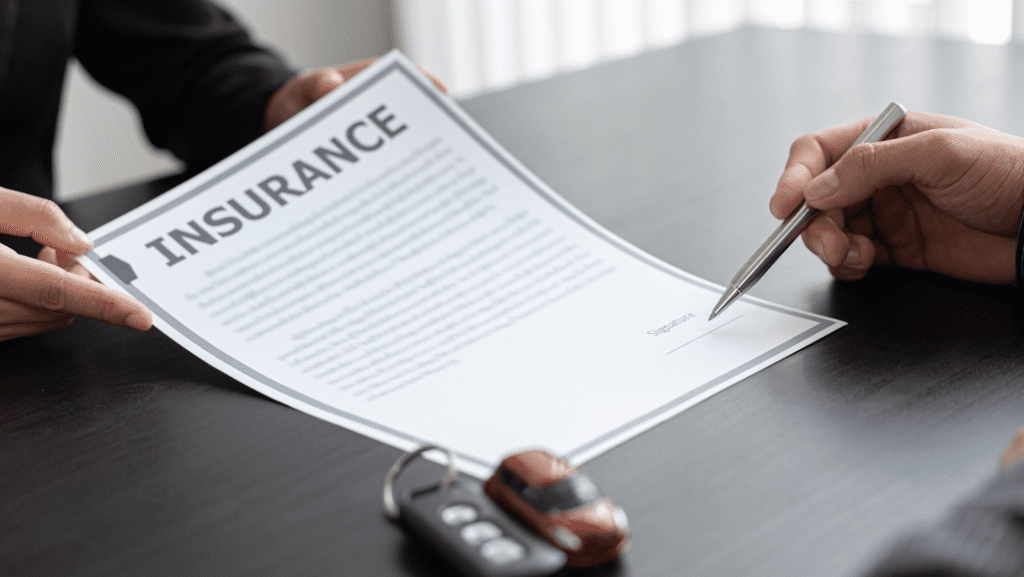
The amount of money you’ll pay for your auto insurance is highly dependent on your risk as a policyholder. If you’re thinking about leasing or financing a car or plan to pay the full purchase price of a vehicle, you must consider how insurers will view you when it’s time to apply for insurance. Although every insurance company has different criteria for how it will assess your risk, there are some general factors you should review before you get the insurance that can give you an idea of how much you’ll pay for your coverage. Once you acknowledge those characteristics and how insurers use them to calculate your insurance rates, you can find different ways to reduce your car insurance premiums that can fit your overall budget.⁴
Check out the various factors that insurers generally use when determining your auto insurance rates:⁴
- Your Driving History
- The Car’s Make and Model
- The Annual Mileage of Your Vehicle
- Any Existing Evidence of Your Past Insurers
- Your Credit History
- Your Current State of Residence
- Evidence of Any Past Claims and Your Discount Eligibility
- Your Age, Sex, and Marital Status
It’s worth mentioning that the last factor is more dependent on your location. Some states don’t focus on these characteristics when calculating your risk profile, but they’re worth noting if your insurance company bases your insurance rates on them. While it’s challenging to change some of these elements in your risk assessment, you can still use several methods to reduce your car insurance premiums! If you shop around for the most optimal insurance rates, have a clean driving record, and bundle your home and auto insurance coverage with the same company, you can potentially receive lower insurance rates on both policies.⁴
You can also try appealing to an insurer’s confidence in your risk profile by requesting a higher deductible that can lead to lower insurance premiums. If you have a good credit score, you can increase your chances of getting favorable insurance rates, as you have a strong history of financial responsibility. Don’t be afraid to ask for discounts when searching for an insurance company that can make your premiums more convenient and affordable. Depending on your chosen insurer, you may qualify for a discount for parking your car in your garage instead of having it out on the street or in your driveway.⁴
Find Car Insurance Coverage with the Help of Max CashⓇ!
Getting the most optimal car insurance rates can make things easier when you need to pay for your necessary insurance coverage. Regardless of the policy you choose to stick with, it is important that you’re not overpaying for your protection and maintain a stable financial position after you become a policyholder. Although it’s difficult to change some of the factors that influence your insurance premiums, you can still access favorable rates if you search for a convenient provider online!⁴ Discover the various car insurance offers available from Max CashⓇ partners and connect with the right provider that suits your interests and financial circumstances.² ⁵

