

Do Cash Advances Show On Credit Reports?
Are you thinking about taking out a cash advance on a credit card or using a cash advance loan to get your finances back on track? If you’re working on rebuilding your credit history, you might be wondering – do cash advances show on credit reports? Typically, a cash advance won’t show on your credit report for a few different reasons.
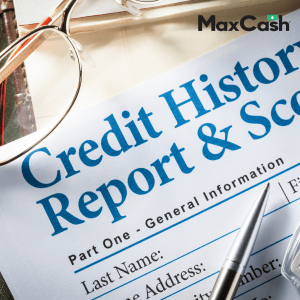
They won’t appear as separate items on your credit report like personal loans or other types of credit, like mortgages. Below, you will find an example of what a credit report will look like.
For a cash advance from a credit card, it will contribute to the total amount of debt you have in the overall balance of the card, but it isn’t treated as a separate item by the issuer.
What Shows on My Credit Report?
Your credit report is a detailed record of how you’ve managed credit and debt over time. Lenders, landlords, insurance companies, and sometimes employers may review your credit report to better understand your financial history. The report contains personal identifying information, including your name, current and previous addresses, date of birth, and Social Security number (partially masked). It also lists your credit accounts, such as credit cards, mortgages, auto loans, personal loans, and student loans.
For each account, you’ll typically see the account balance, payment history, credit limit, account status, and whether payments have been made on time. In addition, your credit report includes hard inquiries from lenders when you apply for new credit, public records such as certain bankruptcies, and collection accounts that may have been sent to debt collectors. Information on your credit report can remain for several years, depending on the type of item, making it important to regularly review your report for accuracy.
Understanding what appears on your credit report can help you improve your financial health, identify errors, and increase your chances of qualifying for loans with better rates and terms. Although you may be wondering if cash advances show on credit reports, the answer is usually no. However, it is important to understand what will show on your report:
Personal Information
Your credit report includes identifying details used to verify your identity, such as:
- Full name
- Current and previous addresses
- Date of birth
- Social Security number (partially displayed)
- Current and past employers
It’s important to note that this information is not used to calculate your credit score but helps credit bureaus maintain accurate records.
Learn how to work on your score with our guide on How to Boost Your Credit Score.
Credit Accounts (Tradelines)
This section contains the largest amount of information on your credit report, and includes the following:
- Credit cards
- Auto loans
- Mortgages
- Student loans
- Personal loans
- Retail store accounts
Each account may show:
- Current balance
- Credit limit
- Payment history
- Date opened
- Account status
- Monthly payment amount
Payment history is one of the most important factors affecting your credit score, accounting for around 35% of your score.
Payment History
Payment history tracks whether you’ve made payments on time. Late payments can significantly impact your credit score and may remain on your credit report for up to seven years.
Common entries include:
- On-time payments
- 30-day late payments
- 60-day late payments
- 90-day late payments
- Charge-offs
Credit Inquiries
Whenever you apply for new credit, the lender may perform a hard inquiry. These inquiries can appear on your credit report for up to two years.
Types of inquiries include:
- Hard inquiries (visible to lenders)
- Soft inquiries (visible only to you)
Soft inquiries generally do not affect your credit score.
Collection Accounts
If a debt becomes seriously delinquent, it may be transferred or sold to a collection agency. Collection accounts can negatively impact your credit profile and remain on your report for several years.
Examples include:
- Medical collections
- Credit card collections
- Utility collections
- Personal loan collections
Public Records
Certain public records may appear on your credit report, including:
- Chapter 7 bankruptcy
- Chapter 13 bankruptcy
Most civil judgments and tax liens no longer appear on standard consumer credit reports.
What Does Not Show Up on Your Credit Report?
Many people are surprised to learn that some financial activities are not typically reported to credit bureaus, including:
- Checking account balances
- Savings account balances
- Utility payments (unless reported through special programs)
- Rent payments (unless reported through a rent reporting service)
- Medical history
- Criminal records
Why Reviewing Your Credit Report Matters
Regularly reviewing your credit report helps you identify fraudulent accounts, reporting errors, and outdated information that could lower your credit score. Federal law allows consumers to access free credit reports from all three major credit bureaus. Monitoring your report can help you catch issues early and improve your chances of qualifying for mortgages, auto loans, personal loans, and other forms of financing.
Cash Advances and Payday Loans Showing on a Credit Report
Many consumers are surprised to learn that not all cash advances and payday loans automatically appear on their credit reports. Whether these loans show up depends largely on the lender and whether they report account activity to the major credit bureaus, like TransUnion, Equifax, and Experian.
Traditional payday lenders often do not report on-time payments, meaning borrowing and repaying a payday loan may have little to no positive effect on your credit profile. However, if you fail to repay the loan and the account is sent to collections, the collection account may be reported and could significantly damage your credit score.
Some online lenders and cash advance providers do report loan activity, including payment history and account status, which means these accounts could appear on your credit report. Because reporting practices vary by lender, it’s important to review the lender’s policies before borrowing if building or protecting your credit is a priority after you get a cash advance.
Will a Cash Advance Help Me Rebuild My Credit?
A cash advance alone is unlikely to rebuild your credit unless the lender reports your payment activity to the major credit bureaus. Credit scores are primarily influenced by factors such as payment history, amounts owed, length of credit history, new credit inquiries, and credit mix. If a cash advance provider does not report your on-time payments, successfully repaying the loan will not contribute to improving your score. However, if the lender does report positive payment history, making all payments on time may help demonstrate responsible borrowing behavior. It’s important to remember that many cash advances and payday loans come with short repayment periods and high fees, which can make repayment challenging and potentially lead to missed payments or collections activity that harms your credit.
For consumers focused on rebuilding credit, products specifically designed for credit building, such as secured credit cards, credit-builder loans, or certain installment loans that report to all three credit bureaus, may be more effective long-term solutions. Regardless of the loan type, maintaining consistent on-time payments and keeping debt levels manageable are generally the most important steps toward improving your credit profile.
Searching For Cash Advances? Max Cash® has your Back
If you are looking for emergency funding, Max Cash® is here to support you! We can help you find options that suit your needs, such as personal loans, cash advances, and other sources for emergency funding.2 5

